Introduction
In the attractive Bay Location, where moving hills fulfill coastal charm, house owners commonly look for to improve their residential properties with aesthetically pleasing outdoor rooms. One efficient method to achieve this is through leading installation, particularly utilizing interlacing pavers that not only give sturdiness yet likewise add aesthetic charm. Nonetheless, one vital aspect that can not be forgotten is proper drain during the installation procedure. This article will dive deep right into The Value of Appropriate Water Drainage in Paving Installation: Tips for Bay Area Homes, exploring why it matters and exactly how home owners can guarantee their paving projects stand the examination of time.

The Importance of Appropriate Drain in Paving Installment: Tips for Bay Location Homes
Proper drainage is frequently the unhonored hero in leading installments, particularly in regions like the Bay Area where rains can be unforeseeable. Neglecting this critical element can bring about a waterfall of issues ranging from unpleasant puddles to substantial building damages. When you invest in high-quality products like interlocking pavers, ensuring that they are installed with adequate water drainage becomes necessary for durability and functionality.
Understanding Drain Needs
Before diving into any kind of paving job, it's essential to examine the certain drain needs of your room. Every building has special features; variables such as soil kind, incline gradient, and existing drainage systems must all be considered.
- Soil Type: Different dirts have differing absorption rates. Sandy dirts drain pipes well while clay dirts have a tendency to maintain water. Slope Gradient: A building with a steep slope will certainly trigger water to run swiftly, whereas a level area might require additional steps to stop pooling. Existing Systems: Recognizing current drain systems on your home assists identify needed changes or enhancements.
Consequences of Poor Drainage
Water Pooling: Without correct drainage, water will gather on your paved surface areas, producing harmful conditions and potentially harming the honesty of the pavers. Erosion: In time, stagnant water can wear down the underlying soil structure, resulting in unequal surfaces and possible sinkholes. Mold and Mold Growth: Excess wetness develops an atmosphere ripe for mold development which can position health dangers and decrease visual appeal. Cracks and Shifting: Improper drainage can create pavers to shift or split due to freeze-thaw cycles or dirt disintegration below them.Choosing the Right Interlocking Paver Installer
When it concerns leading setups that need thorough interest to information-- specifically concerning drainage-- picking the ideal paver installer is crucial.
Experience Matters
Look for installers that have a proven performance history with interlocking pavers and understand regional water drainage challenges certain to Bay Area homes. Experienced paver installers will recognize with:
- Local weather condition patterns Soil conditions common in your area Effective layout methods for optimum drainage
Ask Regarding Their Drain Solutions
A competent installer must offer numerous solutions tailored to your specific demands:
French Drains: These are trenches filled with crushed rock that reroute surface area water away from paved areas. Permeable Pavers: Using permeable interlacing pavers enables water to seep via into gravel beds listed below, advertising all-natural drainage. Swales: Superficial channels designed to redirect stormwater drainage effectively without pooling.Designing for Ideal Drainage
Design plays a crucial function in making sure correct drain during leading installation.
Slope Considerations
A mild slope (around 2% quality) far from frameworks makes certain water streams normally far from your home's structure, lessening prospective damage.
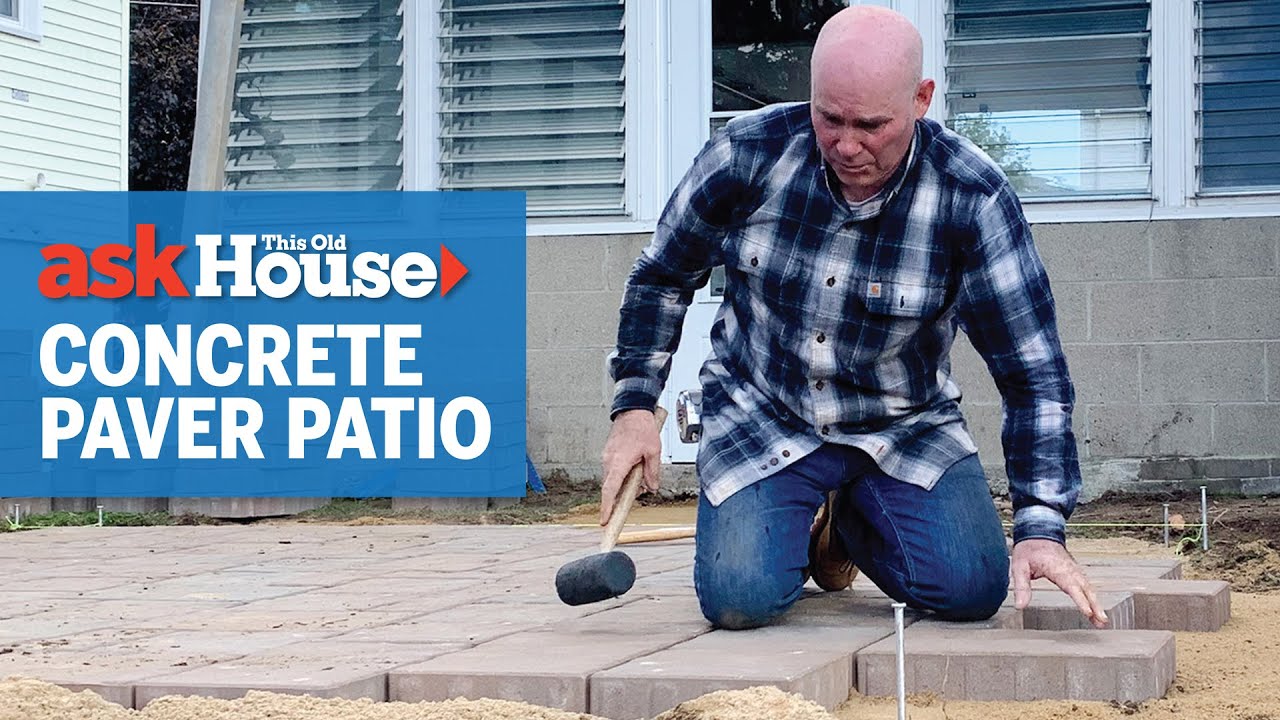
Using Grading Techniques
Proper grading strategies entail changing the land shape before laying down pavers:
- Ensuring a consistent slope Creating networks or swales Utilizing preserving walls where necessary
Integrating Natural Features
Incorporating all-natural landscape components such as trees or hedges can aid take in excess water while boosting aesthetics.
Materials Option Matters
Not all materials are produced equivalent when taking into consideration long life and performance worrying drainage.
Types of Interlocking Pavers
Choosing ideal https://www.dcarmopavers.com/about/ interlocking pavers significantly affects both appearance and functionality:
Concrete Pavers: Understood for their toughness and sturdiness; outstanding choices for high-traffic areas. Clay Pavers: Offer an eye-catching aesthetic but may need extra care concerning wetness management. Permeable Pavers: Permit rainwater seepage which decreases drainage; perfect for environmentally mindful homeowners.Installation Techniques That Promote Proper Drainage
During installation, various strategies can be used by knowledgeable paver installers that make sure long-lasting outcomes concerning drainage:
Base Preparation Techniques
An adequately ready base layer is fundamental:
Excavate a minimum of 6 inches deep depending upon traffic loads. Use compacted gravel or crushed rock as a base product-- this help in assisting in drainage. Install a geotextile fabric layer if necessary; this avoids dirt from blending with crushed rock while allowing water flow.Joint Sand Usage
Using polymeric sand in joints in between interlacing pavers assists seal voids against dampness penetration while enabling some leaks in the structure-- this reduces weed growth too!
Maintenance Approaches for Lasting Performance
Once installed, keeping appropriate functioning calls for recurring interest-- especially worrying drainage systems:
Regular Inspections
Inspect your paved location regularly for indicators of pooling or disintegration-- resolving little issues prior to they rise saves money over time!
Cleaning Drains pipes Regularly
Ensure drains pipes continue to be free of particles by cleansing them periodically-- stopped up drains lead straight back into poor efficiency relating to water management!
FAQs regarding Proper Drainage in Paving Installation
1. What takes place if I neglect proper drain throughout paving installation?
Neglecting correct water drainage can lead to significant concerns like disintegration, standing water, mold development, splits in pavers, and costly repair work down the line.
2. Just how can I tell if my present sidewalk has appropriate drainage?
Signs consist of pooling water after heavy rains, cracks basing on paved surfaces, or greenery development around sides suggesting excessive moisture retention.
3. Do absorptive pavers require special maintenance?
Yes! While they help handle stormwater successfully by enabling seepage with their surface layers-- they still need routine cleaning and occasional reapplication of joint sand every few years.
4. Can I install pavers myself without professional help?
While do it yourself setups are possible-- the intricacies involved with making certain suitable slopes/drainage typically make hiring skilled professionals advisable!
5. What materials are best fit for boosted driveway performance?
Using concrete/block-based options coupled with polymeric sand boosts stability while advertising effective durability versus moisture-related issues!
6. Should I take into consideration natural landscape design attributes alongside my paved areas?
Absolutely! Incorporating plants/trees not just enhances your area but additionally aids absorption & & monitoring-- developing harmony in between nature & & hardscaping efforts!
Conclusion
In final thought, comprehending The Relevance of Correct Water Drainage in Paving Installation: Tips for Bay Area Homes can not be overstated when planning any kind of outside job involving interlocking pavers or similar materials! By prioritizing adequate preparation through mindful assessment/design choices incorporated with trustworthy installation techniques-- you'll establish on your own up not just for prompt complete satisfaction but long-term success!
Investing time in advance ensures peace-of-mind knowing every step taken protects both financial investment & & setting alike! So before starting this trip towards enhancing your home's curb allure-- take these tips seriously & & engage qualified experts that value each facet-- consisting of effective draining pipes solutions!